
Emergency Plumbing
Water Main Break: 7 Warning Signs Orange County Homeowners Miss
Soggy yard, dropping pressure, brown water: how to spot a main line break before it floods the slab.
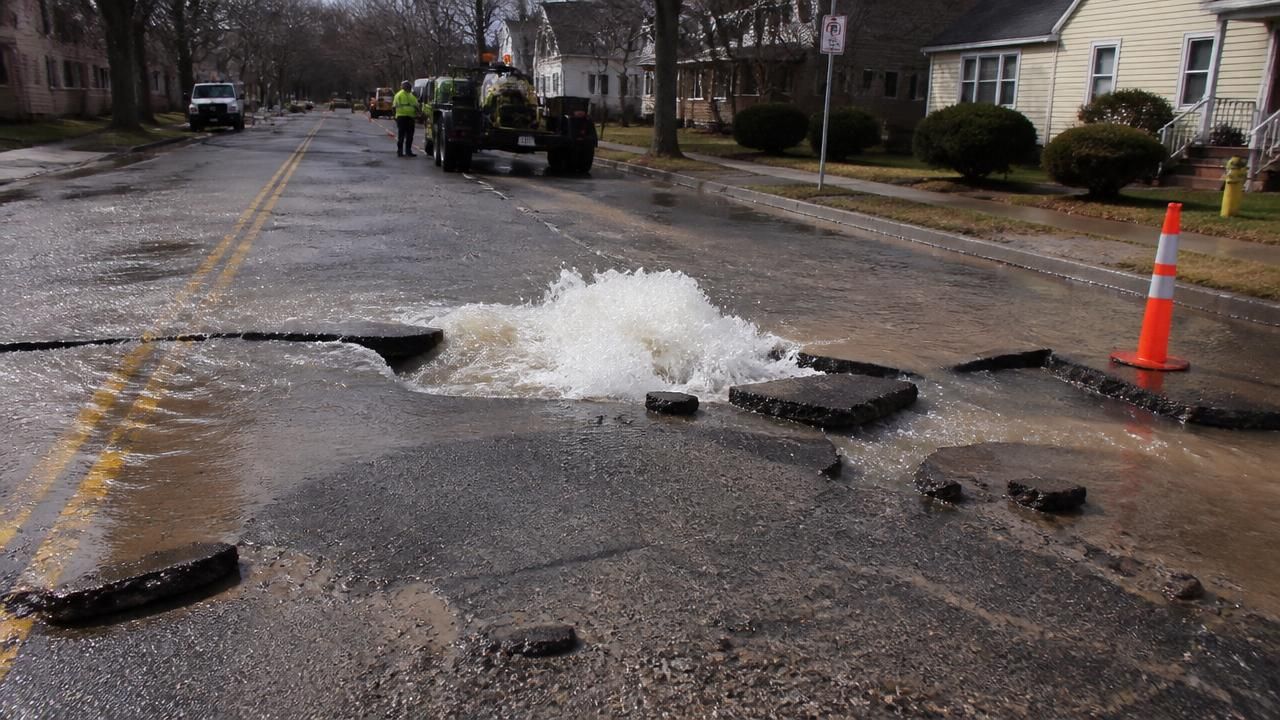
Seven signs a water main or service line has broken: water surfacing in the yard or at the kerb, a sudden drop in pressure across the whole house, a spike in the bill, a soft or sinking patch of ground, discoloured water, the sound of running water with everything off, and a meter that will not stop turning.
Water where there should not be any
The clearest sign, and the one people rationalise away as irrigation. If a patch stays wet through a dry week, or water is seeping from the kerb face with no rain, that is a supply line losing pressure into the ground rather than into the house.
Pressure loss across the whole house
One weak fixture is a fixture problem. Every tap in the house dropping together points upstream: to the regulator, the meter, or a break in the line between them and the house. Check whether the neighbours have normal pressure: if they do, the problem is on your property.
The bill arrives late but it arrives
An underground break can run for weeks before anything surfaces, and the first hard evidence is often the invoice. If a bill has stepped up with no change in the household, do the meter test that same day rather than waiting for the next one to confirm it.
Ground that has changed shape
Escaping water washes fines out of the soil, and the ground above settles. A soft spot underfoot, a sunken patch in a lawn, or a section of driveway that has dropped slightly are all the same story told by the surface.
Discoloured or gritty water
A break can draw soil into the line when pressure drops, and it can disturb scale in older galvanized. Water that runs rusty or gritty after a pressure event is worth reporting, and worth not drinking until it clears.
Confirm it at the meter
Shut every fixture and appliance, then watch the meter's low-flow indicator. Movement with nothing running is the confirmation. Then close the house valve: if it keeps moving, the leak is between the meter and that valve: outside, underground, on your side.
What to do, in order
Shut the water at the house or the meter. Photograph the surfacing water and the ground. Note the meter reading. Then call. We dispatch across Orange County 24 hours a day, and a break that is losing water into the ground is not a job for the morning.
Know where your shutoff is before you need it
A break confirmed at midnight is only useful if you can act on it. The house valve is usually near the front hose bib; the meter valve needs a curb key, which is worth owning. Locate both now, turn them once to confirm they move, and the next paragraph of this article becomes a ten-minute problem instead of an overnight one.