
Emergency Plumbing
Residential Plumbing Repair Checklist Before a Home Sale
The 12 plumbing issues inspectors flag most, and which ones are worth repairing before you list the house.
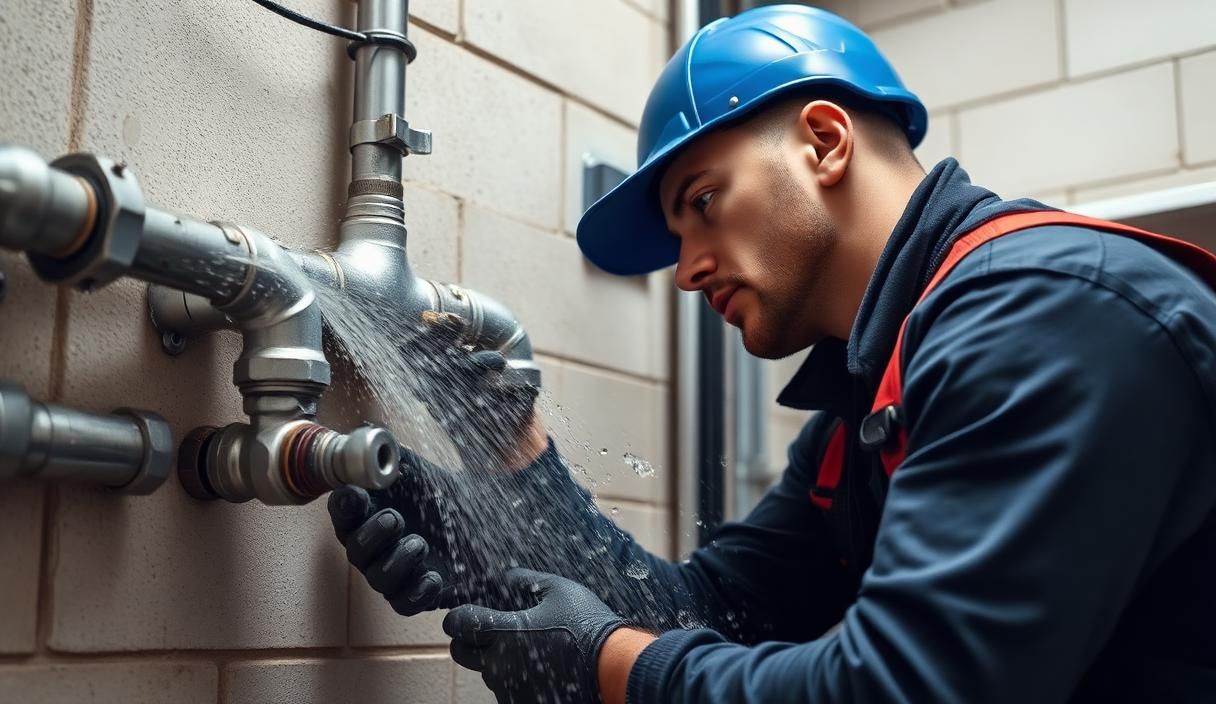
Before a house goes on the market, five plumbing items account for nearly every renegotiation: the sewer lateral, the water heater, active leaks, unpermitted work, and water pressure. Finding them yourself turns each into a decision. Letting a buyer's inspector find them turns each into leverage.
The sewer lateral, first
It is the single most expensive thing a standard home inspection does not cover, and in an older Orange County property with mature trees it is the most likely to be a problem. A camera inspection early gives you the choice of repairing it, disclosing it, or pricing it in. Discovered during escrow, that choice is gone.
The water heater
Check the age from the serial number, look for rust or weeping at the base, and confirm it is seismically strapped. California requires it, and inspectors look. A unit past ten years with corrosion at the base will be flagged, and replacing it beforehand is usually cheaper than the credit that will be asked for.
Active leaks
Do the meter test: everything off, watch the low-flow indicator. Check under every sink at the back of the cabinet, not the front. Look at the ceiling under upstairs bathrooms. A stain that has dried is still a stain, and it will be photographed.
Unpermitted work
Water heater swaps, repipes, sewer replacements and bathroom remodels are permitted work. Anything done without one shows up as a discrepancy between the property record and what is visible, and it undermines confidence in everything else in the house. Where it can be resolved, resolving it before listing is worth the effort.
Water pressure
Test at a hose bib with a gauge. Very low points at the regulator or corroded supply; very high stresses every fitting in the house and will be noted. Both are contained fixes and both are the kind of finding that makes a buyer wonder what else there is.
The small things inspectors always note
Missing shutoff valves under sinks. No expansion tank on a closed system. A dishwasher without a high loop or air gap. Loose toilets. Dripping taps. None is expensive; a list of them together reads as a house that has not been looked after.
Do it early
Two months before listing, not two weeks. It converts every finding from an emergency into a scheduled job with time to get more than one quote, which is exactly the position you want to be in, and exactly the position escrow takes away.
Photograph everything you fix
Dated photographs of the work, alongside invoices and permit numbers, are what turns a disclosure from a liability into evidence of maintenance. Buyers read a folder of completed repairs very differently from a list of things a contractor says were done, and it costs nothing to build as you go.