
Drain Cleaning
9 Habits That Prevent Drain Clogs in Your Orange County Home
Small kitchen and bathroom habits that keep your lines flowing year-round.
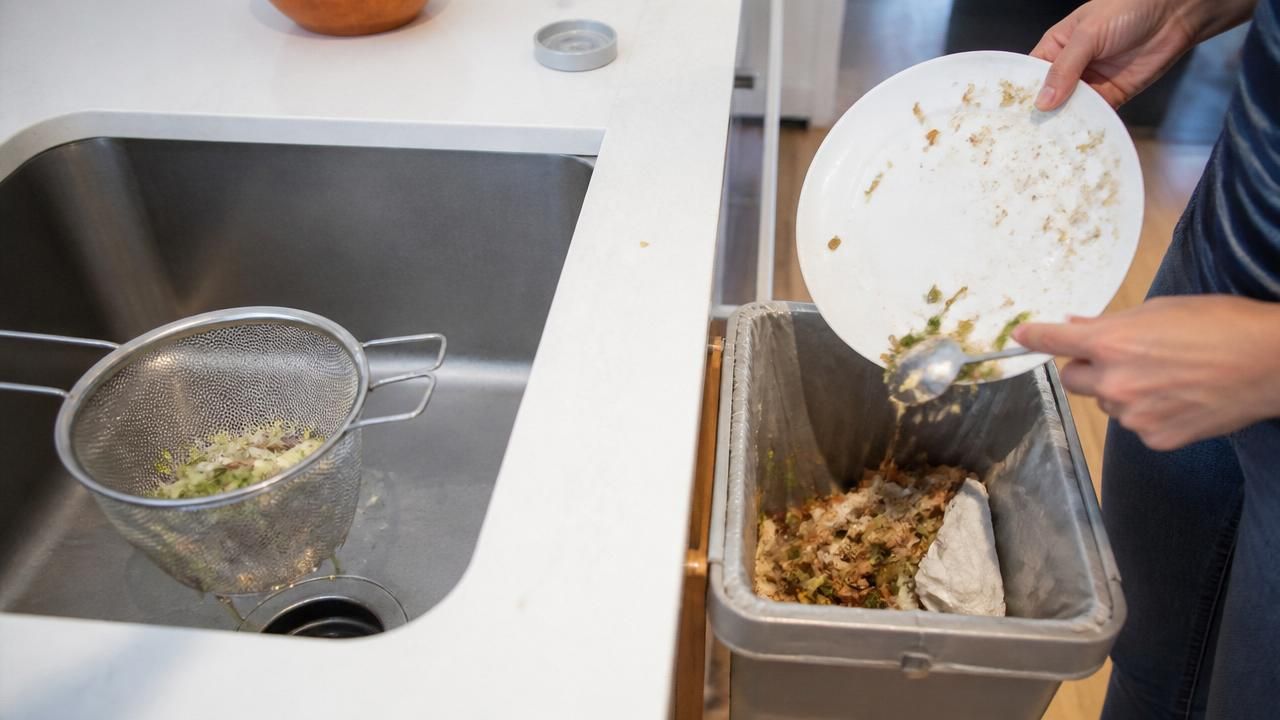
Nine habits prevent most of the drain calls we take, and none of them costs anything. They work because they remove the material that blockages are built from, rather than clearing it once it has already bound together.
In the kitchen
Grease goes into a jar and the jar goes in the bin, including bacon fat, frying oil and what is left on a roasting tray. Scrape plates before rinsing. Run cold water while the disposal is working and for twenty seconds after, so what it grinds leaves the trap instead of settling in it. Keep coffee grounds, rice, pasta and fibrous vegetable ends out entirely; they swell or knit together.
In the bathroom
A hair catcher in every shower and tub, cleared monthly. Nothing but human waste and toilet paper down the toilet. Wipes marketed as flushable do not break down in the time it takes to reach the main, and they are the single most common cause of avoidable main-line blockages we cut out.
Once a week, everywhere
Fill each sink and let it drain in one go. Daily use trickles water through a trap; a full basin sends a slug through it that carries film along rather than leaving it on the wall. In a kitchen, do it with hot water and a squirt of dish soap.
Twice a year
Water down any floor drain or fixture that goes unused, to refill an evaporated trap before it lets sewer gas up. And clear the yard drains and catch basins before the rainy season: silted grates are why side yards flood in the first storm.
The one that saves the most money
Take a first blockage seriously. A drain that has blocked once and been cleared is fine; a drain that blocks a second time is telling you the cause is still in the pipe. Getting a camera down it then, rather than after the fourth visit, is the difference between a maintenance decision and an emergency one.
What none of this fixes
Roots, a sagging section, or a pipe that has lost bore. Habits keep a sound line clear. If blockages continue in a house where these habits are followed, the pipe itself is the problem, and no routine changes that.
Teach the whole household
Most avoidable blockages are caused by someone who was not told. Wipes, cotton pads, dental floss and cooking oil all arrive down a drain because the person holding them did not know. A short conversation and a bin within reach of the toilet prevents more call-outs than any product on a shelf.